6 Jul 2026
Decoding Retention Loops in Free-to-Play Hybrids Where Arcade Roots Meet Strategy Layers on Portable Screens
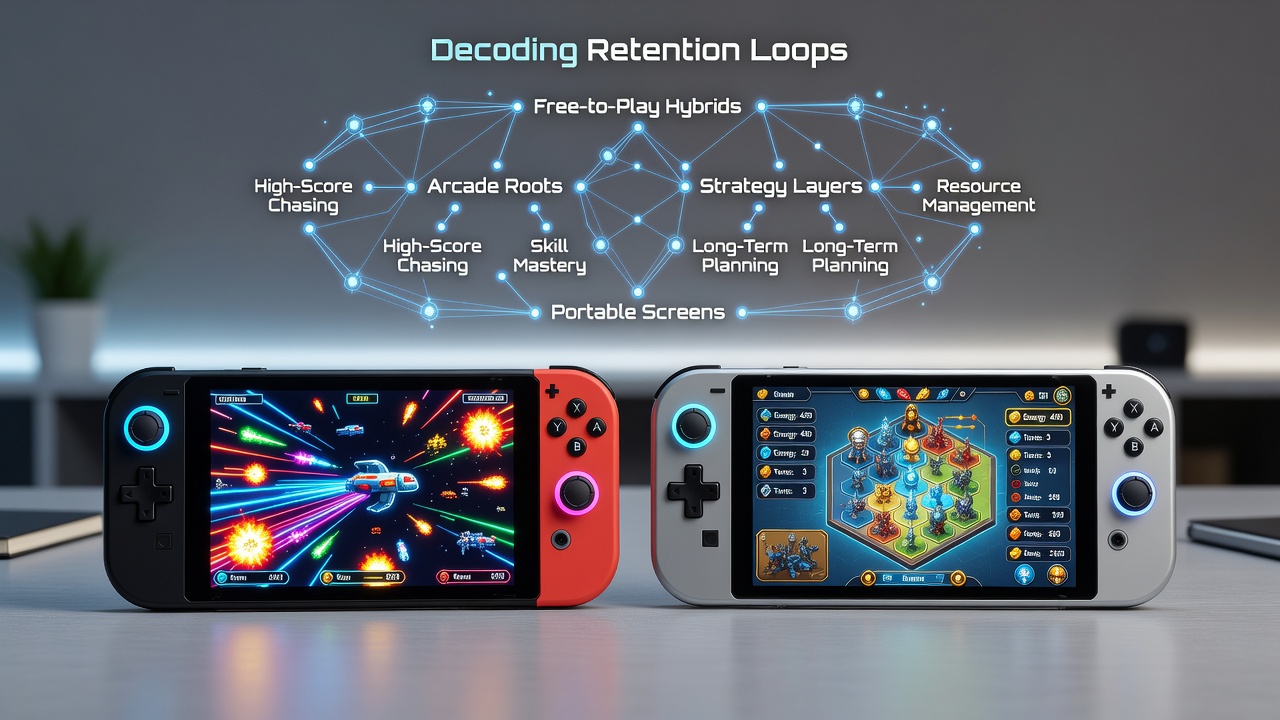
Free-to-play hybrids blend quick arcade mechanics with deeper strategy layers on portable devices, and retention loops form the core systems that encourage repeated engagement across sessions. These loops integrate immediate feedback from arcade-style actions with long-term planning elements, creating cycles where players return to complete objectives, unlock content, and advance through structured progression paths. Data from industry analyses in July 2026 indicates steady growth in this category, particularly on mobile platforms where session lengths vary between short bursts and extended play periods.
Core Components of Arcade and Strategy Fusion
Arcade roots emphasize fast reflexes, simple controls, and score-based challenges that originated in early coin-operated machines, while strategy layers introduce resource management, unit deployment, and decision trees that unfold over multiple turns. On portable screens these elements merge through touch interfaces that support both swipe gestures for action sequences and tap-based commands for tactical menus, allowing developers to layer quick matches onto persistent campaigns. Researchers at various institutions have documented how this combination maintains player attention by alternating between high-intensity moments and deliberate planning phases, and the result shows up in session data where users complete several short cycles before committing to larger strategic goals.
Portable hardware constraints shape these designs because battery life and screen size limit continuous play, so loops often incorporate natural break points that align with device usage patterns. One example involves a match-three arcade segment that feeds resources into a base-building strategy mode, where collected items from quick rounds directly influence longer-term territory expansion. Figures from trade reports reveal that games employing this structure report higher daily active user retention compared to pure arcade or pure strategy titles alone.
Mechanics Driving Retention Cycles
Retention loops typically activate through daily login rewards, limited-time events, and incremental progression systems that reset or refresh at predictable intervals. In hybrid titles the arcade component delivers immediate satisfaction through level completion or high scores, while the strategy component builds investment via upgrade trees and competitive rankings that require repeated visits to optimize. Observers note that energy systems or stamina meters gate access to both types of content, creating a rhythm where players log in to spend resources earned previously and then generate new ones through quick play.
Multiplayer elements add another dimension when asynchronous competition or cooperative features allow progress without simultaneous presence, and this suits portable play across time zones. Data indicates that July 2026 updates to several popular hybrids introduced cross-platform synchronization, enabling strategy decisions made on tablets to carry over to smartphone sessions without friction. Such features extend the loop by connecting individual arcade attempts to collective outcomes visible in leaderboards or alliance contributions.
Player Progression Patterns Across Platforms
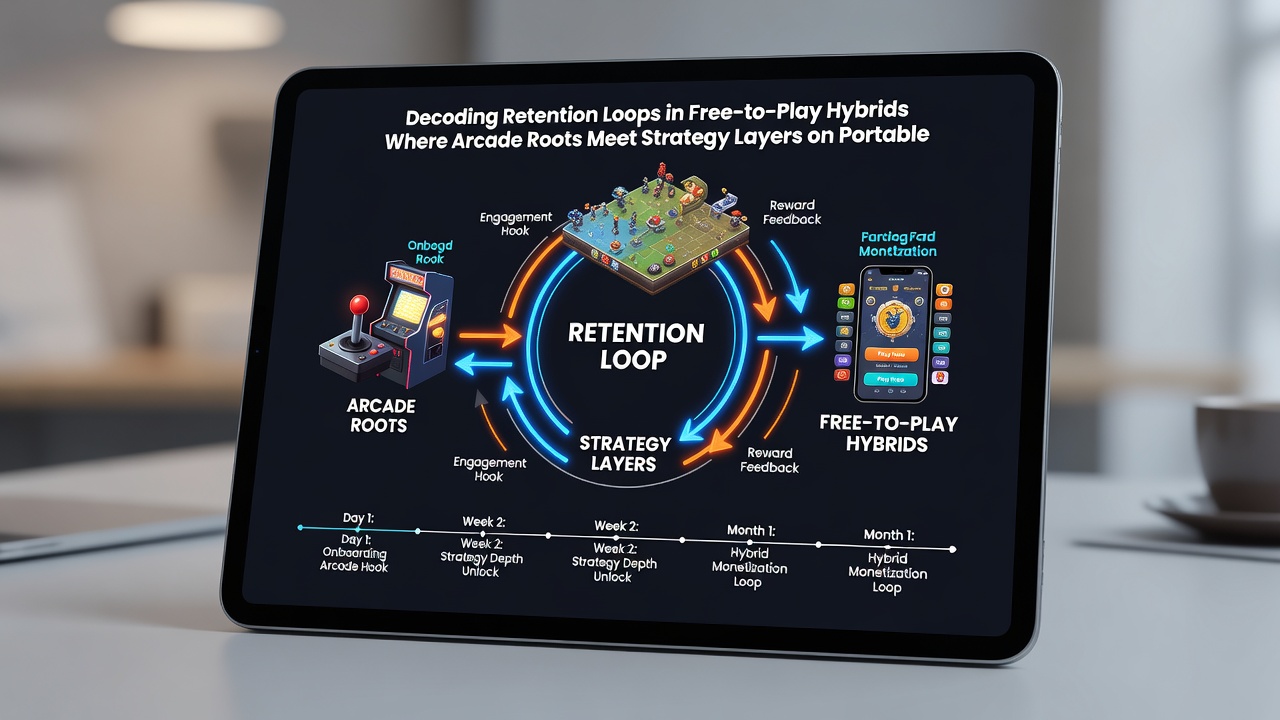
Progression maps in these hybrids often follow a gated structure where arcade performance unlocks strategy options, and strategy achievements in turn provide advantages in arcade segments. This bidirectional flow keeps both mechanics relevant throughout the player journey rather than front-loading one type of content. Studies from academic sources show that users who engage with both layers within the same session demonstrate longer overall playtime spans compared to those focused on a single mode.
Seasonal events scheduled around calendar milestones further reinforce loops by introducing temporary objectives that combine arcade challenges with strategic positioning, and participants receive unique rewards that persist beyond the event window. Industry organizations such as the Entertainment Software Association have tracked how these time-limited campaigns boost re-engagement metrics across North American markets. Similar patterns appear in reports from Australian gaming associations that monitor regional mobile trends.
Technical and Design Considerations
Developers optimize these loops for varying connection qualities since portable devices switch between Wi-Fi and mobile data frequently, so core arcade segments run offline while strategy layers sync when connectivity returns. This separation prevents frustration during travel yet maintains the overarching campaign state. Analytics tools measure loop completion rates by tracking how often players return within 24 hours after a session ends, and adjustments to reward frequency or difficulty scaling occur based on aggregated behavior data.
Localization for different regions adapts reward structures to cultural preferences, with some markets favoring competitive strategy rankings and others emphasizing cooperative arcade milestones. Research papers from European institutions highlight that flexible loop designs accommodate these variations without requiring separate codebases for each territory.
Conclusion
Retention loops in free-to-play hybrids continue to evolve as arcade foundations intersect with strategy requirements on portable screens, supported by data releases and platform updates observed through mid-2026. The interplay between immediate action feedback and extended planning creates measurable engagement patterns that developers refine through ongoing analysis of user behavior across devices and regions. As synchronization features and event structures advance, these systems maintain relevance by aligning with the fragmented play habits common to mobile audiences worldwide.