29 Jun 2026
Device Transitions Shaping Strategy Play into Collaborative Adventure Experiences
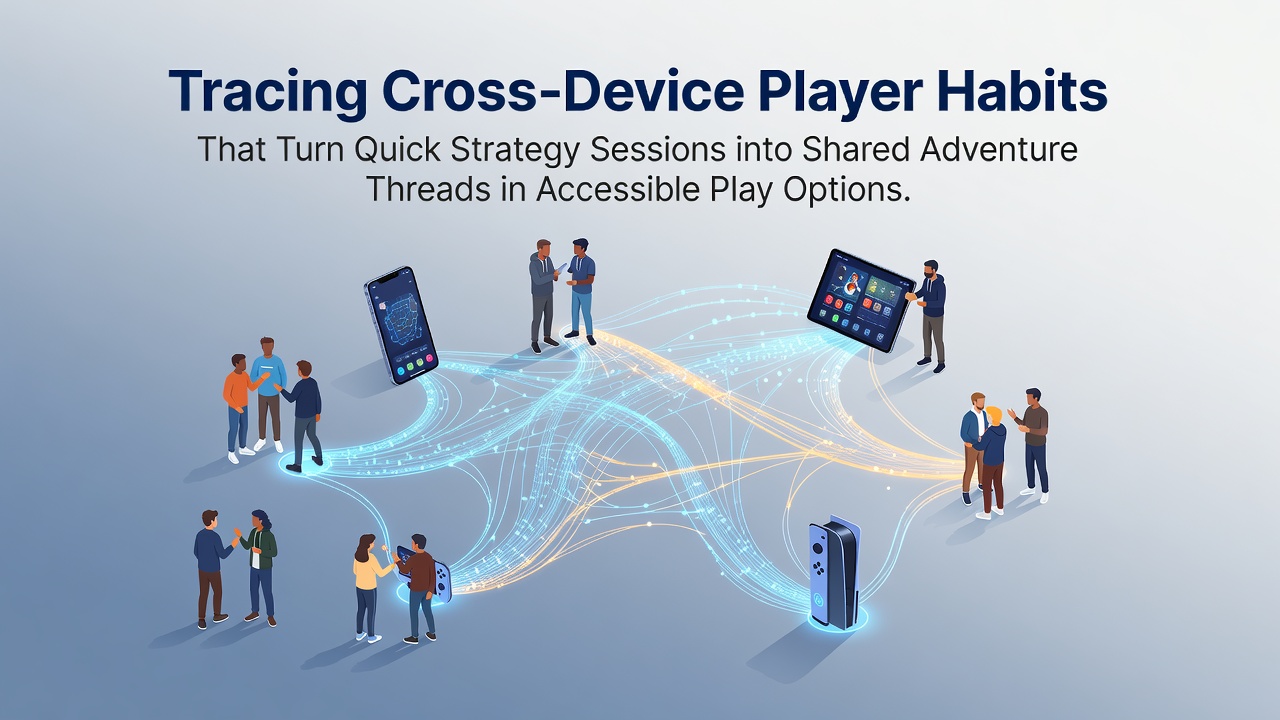
Players frequently move between smartphones, tablets, and browser-based platforms during single gaming periods, and industry data shows these shifts often convert brief tactical decisions into extended narrative developments that multiple users access simultaneously.
Patterns in Daily Device Switching
Research from the Entertainment Software Association indicates that over 65 percent of strategy game participants in the United States engage with titles across at least two device types within a 24-hour window, and cloud synchronization features allow progress to carry forward without interruption. Observers note that morning commutes typically involve short puzzle resolutions on mobile apps while evening sessions expand those same elements into browser interfaces where map-building and resource allocation receive more detailed attention.
Studies conducted by academic groups at European universities have tracked similar behaviors since 2024, and findings reveal that session lengths average 12 minutes on portable hardware compared with 45 minutes on larger screens. This difference stems from input methods and display capabilities rather than content restrictions, which enables players to initiate strategy threads in one format and advance them elsewhere.
Mechanics Enabling Shared Adventure Development
Accessible play options rely on account-based saving systems that store tactical choices and exploration data on centralized servers, and these systems permit friends to join ongoing campaigns through shared invites. Data collected in early 2026 demonstrates that multiplayer integration rates in free-to-access strategy titles rose by 22 percent between January and June of that year, with cross-device compatibility listed as the primary driver in developer reports.
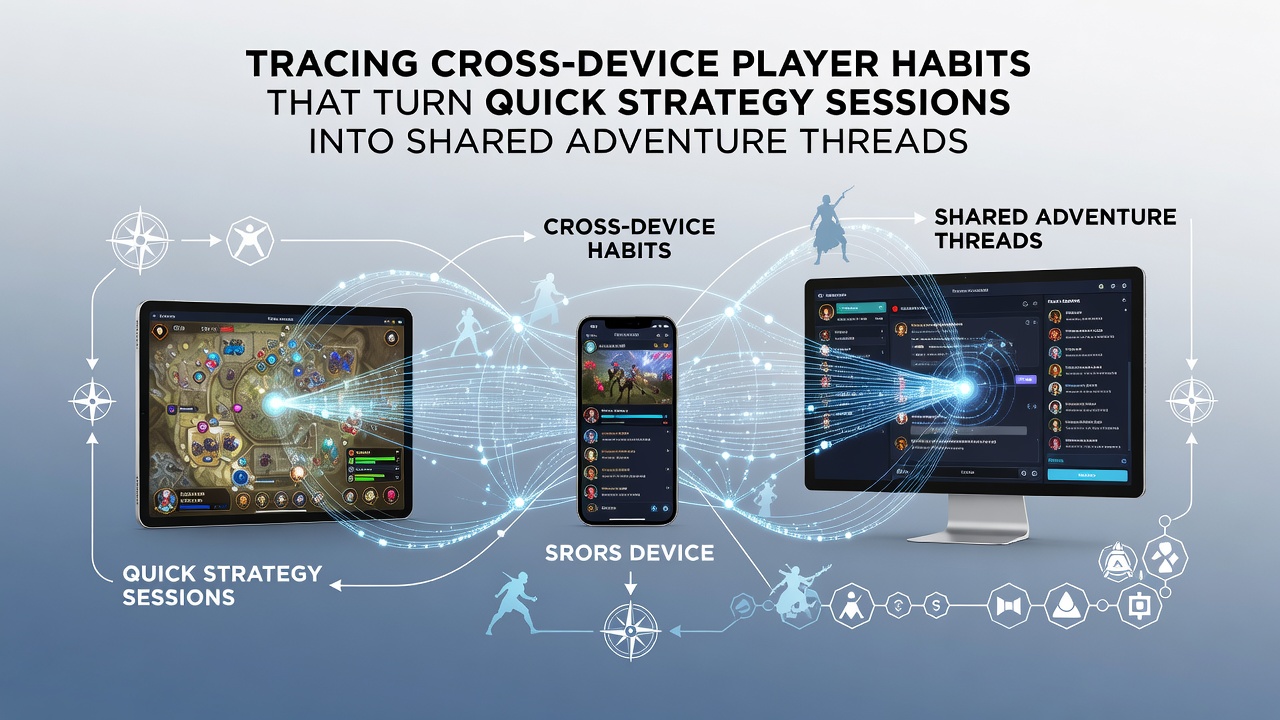
Turns out many titles incorporate asynchronous elements where one participant completes a resource-gathering phase on a phone during a break, and another reviews or extends the resulting adventure map later on a desktop browser. Such handoffs maintain continuity because core variables like unit positions and quest states remain consistent regardless of the access point chosen.
Regional Data on Participation Trends
Figures released by the Interactive Games and Entertainment Association in Australia highlight that browser-to-mobile transitions account for 38 percent of all recorded play sessions in the strategy category during the first half of 2026. Canadian regulatory summaries from the same period echo these numbers, showing comparable growth in titles that support seamless device changes without requiring separate logins or progress resets.
Those who've examined user logs across platforms report that shared adventure threads emerge most often when initial strategy decisions involve resource placement or unit deployment, elements that later influence story branches visible to invited participants. The process does not demand simultaneous online presence, which broadens participation for users with varying schedules.
Technical Factors Supporting Continuity
Developers implement responsive design frameworks that scale interfaces while preserving data integrity, and this approach reduces friction during device switches. Reports from research institutions in the European Union note that titles utilizing unified backend architectures experience 30 percent higher retention rates among players who alternate between portable and stationary hardware.
Examples include puzzle layers that begin as single-tap mobile challenges and expand into browser environments where visual storytelling and cooperative map annotations become available. These layers connect through persistent identifiers that track individual contributions without exposing personal details beyond gameplay metrics.
Conclusion
Cross-device habits continue to link short strategy engagements with longer collaborative adventure structures, and available data from multiple regions confirms steady adoption of synchronization tools that make such connections reliable. Industry organizations and academic sources document these patterns through session analytics rather than subjective interpretation, providing measurable indicators of how accessible options shape ongoing play across formats.