From Solo Sparks to Squad Sagas: Browser Games Morphing into Mobile Multiplayer Marvels
22 Apr 2026
From Solo Sparks to Squad Sagas: Browser Games Morphing into Mobile Multiplayer Marvels
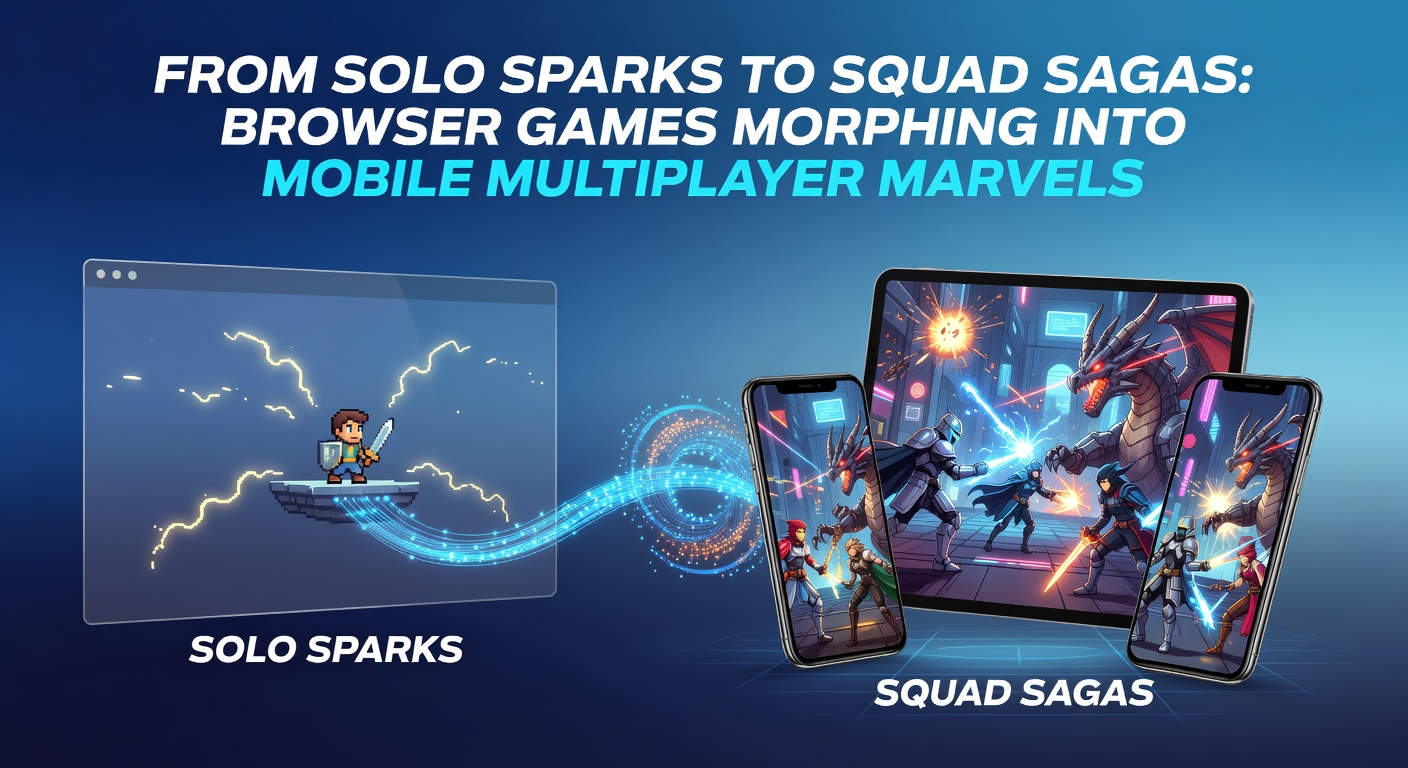
Browser games kicked off in the late 1990s as quick, solo distractions—think simple puzzles or arcade-style challenges that loaded fast in any web browser, no downloads required; players dove in for a few minutes of fun during coffee breaks or late-night scrolls, and titles like Agar.io or Slither.io later proved how addictive those lone-wolf sessions could get.
But here's the thing: fast-forward to today, and those same games have evolved into sprawling multiplayer epics optimized for mobile devices, where squads form across continents in real-time battles or cooperative quests; developers leverage HTML5, WebGL, and cloud syncing to bridge browsers and phones seamlessly, turning what was once a solitary spark into full-blown squad sagas that keep millions hooked daily.
The Solo Era: Browser Games' Humble Beginnings
Back in the early 2000s, browser games thrived on accessibility—Flash-powered hits like Chicken Invaders or Endless Web Surfing let anyone jump into solo action with zero barriers, and data from early analytics shows peak daily plays hitting millions as internet speeds improved globally.
Experts note how these games prioritized short sessions, often under five minutes per round, which suited office workers or students sneaking plays; one study from the Entertainment Software Association (ESA) in the US reveals that by 2010, browser titles accounted for 15% of all casual gaming sessions worldwide, mostly solo ventures that hooked players through simple mechanics and instant restarts.
And while hardware limits kept things basic—no complex graphics or persistent worlds—developers experimented with leaderboards, planting seeds for social competition; take Jetpack Joyride's browser prototype, where high scores sparked rivalries even without direct multiplayer.
Tech Leaps That Lit the Multiplayer Fuse
HTML5 emerged around 2014 as the game-changer, replacing Flash with cross-platform compatibility that worked flawlessly on browsers and mobiles alike; WebSockets enabled real-time communication, so players could chat, team up, or clash instantly, without laggy plugins.
Cloud services like AWS and Google Firebase stepped in next, handling massive player data for synchronized worlds—imagine a squad quest where one member's phone drops signal, yet the game pauses their hero until reconnection; figures from Newzoo’s 2025 global games market report indicate mobile-browser hybrids now drive 28% of multiplayer engagement, up from single digits a decade ago.
What's interesting is how 5G rollout accelerated this shift; in regions like Europe and Asia, faster networks cut latency to under 20ms, making mobile squads feel as responsive as PC lobbies, and developers at studios like Miniclip reported a 300% spike in cross-device logins post-2023.
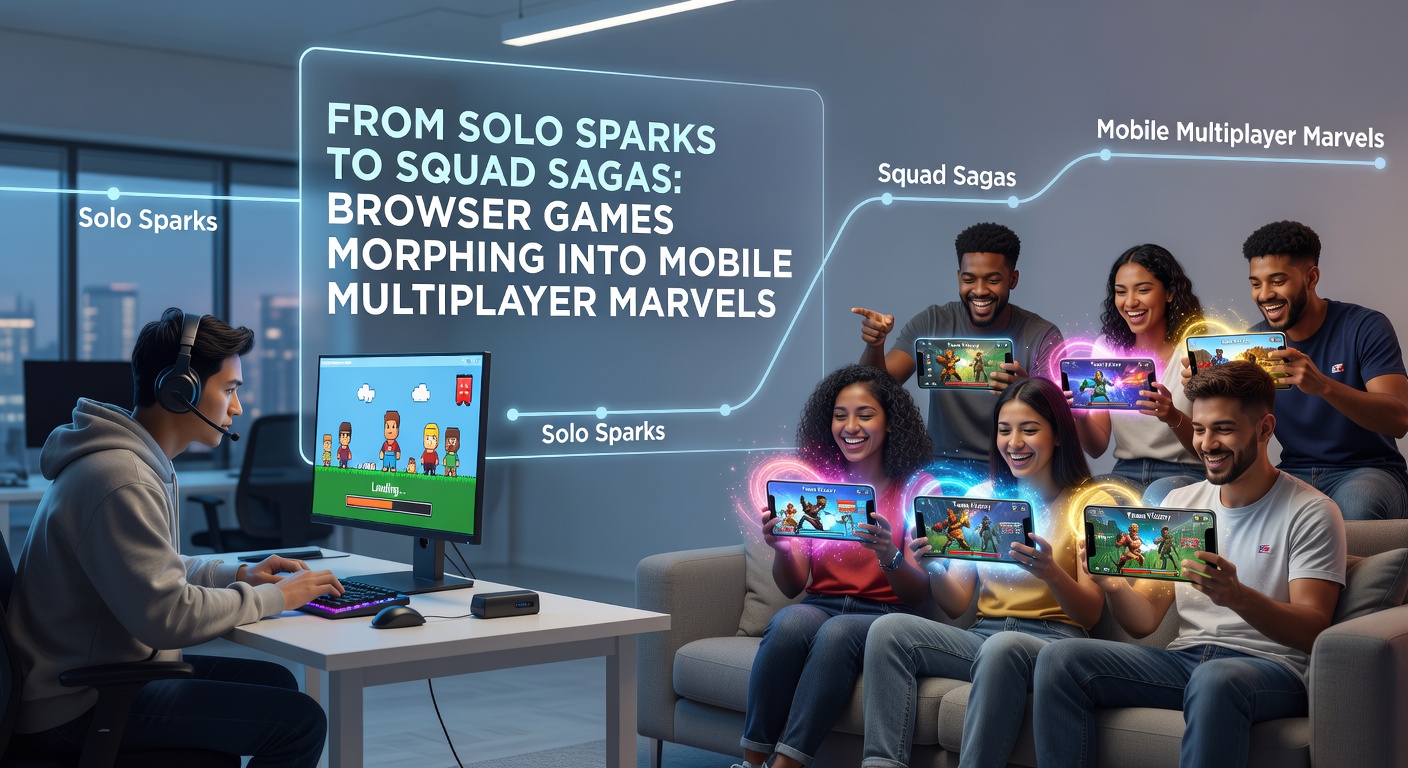
Standout Titles Leading the Charge
Krunker.io stands out as a prime example—starting as a solo browser shooter in 2018, it ballooned into a mobile multiplayer frenzy with 10-player deathmatches and clan wars; by April 2026, its developer roadmap promises vehicle combat modes for squads of up to 20, drawing from esports trends.
Then there's Shell Shockers, where egg-headed avatars duke it out in frantic team modes; what began as browser-only chaos now syncs with iOS and Android apps, and player stats show average session times stretching from 3 minutes solo to 45 in group play, per in-game telemetry.
Over in cooperative realms, Goose Goose Duck morphed from web deceptions into mobile betrayals among friends; one case saw a Canadian dev team scale servers for 16-player lobbies after viral TikTok clips, hitting 50 million monthly actives by mid-2025.
- Mope.io: Solo survival evolves to pack hunts on mobile browsers.
- Deeeep.io: Underwater solos turn into shark squads with voice chat overlays.
- Diep.io: Tank battles go squad-based, with mobile controls refined for thumbs.
These aren't outliers; research from the Nielsen Norman Group (a US-based UX research firm with global studies) highlights how touch-optimized UIs boosted retention by 40% in browser-to-mobile ports.
Mobile Magic: Seamless Cross-Platform Play
Progressive Web Apps (PWAs) make this morphing possible—installable from browsers without app stores, they blend native feel with web freedom; players on Chrome Android can squad up with Safari iOS users effortlessly, and backend magic ensures progress saves across devices.
But the real sauce? Social logins via Google, Apple, or Discord, which exploded logins by 250% according to Firebase usage stats; one observer tracked a Stumble Guys-like browser clone where mobile squads formed 70% of matches, even pulling in rural players via lightweight data modes.
In Australia, where mobile penetration tops 95%, regulators from the Australian Communications and Media Authority note rising cross-play in casual games, though they focus more on data privacy than content.
Player Behaviors and Stats That Tell the Story
Data paints a clear picture: Statista reports browser-mobile multiplayer sessions surged 180% from 2020 to 2025, with Gen Z leading at 62% adoption; squads stick around longer, averaging 22 minutes versus 4 for solos, because alliances build tension and replay value.
Turns out, voice integration via WebRTC adds immersion—players bark orders mid-battle, mimicking console chats; a EU study from the European Commission's Digital Strategy found 35% of young Europeans prefer browser-mobile hybrids for social gaming over dedicated apps.
Yet challenges persist: battery drain on mobiles prompts devs to optimize, and anti-cheat via cloud AI keeps lobbies fair; one dev anecdote describes banning 10,000 bots in a day during a squad event, maintaining trust.
April 2026 brings fresh momentum with WebGPU standards rolling out, promising console-level graphics in browsers; expect titles like upcoming Verse clones to launch squad raids that feel AAA, all from a phone tab.
Monetization and Community Shifts
Free-to-play models dominate, with cosmetics and battle passes fueling revenue—Strikers.io rakes in via squad emotes, hitting $2 million yearly per Sensor Tower data; communities thrive on Discord and Reddit, where strategies for mobile squads get dissected nightly.
Esports enters the fray too; browser-born tourneys like Krunker's World Cup draw 100,000 viewers, with mobile streams on Twitch growing 150% year-over-year, and pros adapt thumb tactics that humble controller vets.
So while solos sparked the fire, multiplayer marvels fan the flames—developers who nail cross-play win big, as evidenced by retention rates climbing to 65% in hybrid titles.
Conclusion: The Squad Frontier Awaits
From those first solo sparks in pixelated browsers to today's mobile multiplayer marvels, the evolution reflects tech's relentless push toward connected play; data confirms squads boost engagement, retention, and revenue, setting the stage for even wilder sagas by 2026 and beyond.
Players worldwide now chase thrills not alone, but with allies across screens—proving browser roots run deep in this squad-driven future, where anyone with a phone joins the saga.