Narrative Frameworks in Free Daily Strategy Puzzle Titles on Mobile Platforms
Written by Erik Günther · Aug 21, 2026

Narrative Frameworks in Free Daily Strategy Puzzle Titles on Mobile Platforms
Strategy-driven puzzle games distributed as daily free plays on mobile devices have incorporated narrative frameworks that unfold through episodic releases, branching decision trees, and layered character interactions. These structures allow players to engage with story elements while solving spatial and resource-management challenges that reset or evolve each day. Data from industry reports indicate that such titles often combine core mechanics like grid manipulation and turn-based planning with incremental plot revelations delivered via short text logs or animated sequences that appear after completing daily objectives.
Core Components of Narrative Integration
Researchers at various institutions have documented how these games embed story progression within the constraints of daily play sessions that typically last between five and fifteen minutes. Observers note that narrative delivery frequently relies on non-linear elements, where choices made in one session influence available puzzles or dialogue options in subsequent days, creating continuity across fragmented play periods. According to figures from the Entertainment Software Association, mobile strategy titles in this category accounted for measurable portions of daily active user engagement in 2025, with narrative features cited as factors that encourage repeated logins.
Many designs employ environmental storytelling techniques, using visual changes in game boards or background elements to signal plot developments without interrupting core puzzle loops. Those who've analyzed mobile game data find that this approach maintains player momentum because story cues remain secondary to immediate strategic tasks like pathfinding or pattern matching. In August 2026, several platforms continued to release updates that expanded these systems, adding voice-acted segments tied to milestone completions while preserving the free daily access model.
Branching Structures and Player Agency
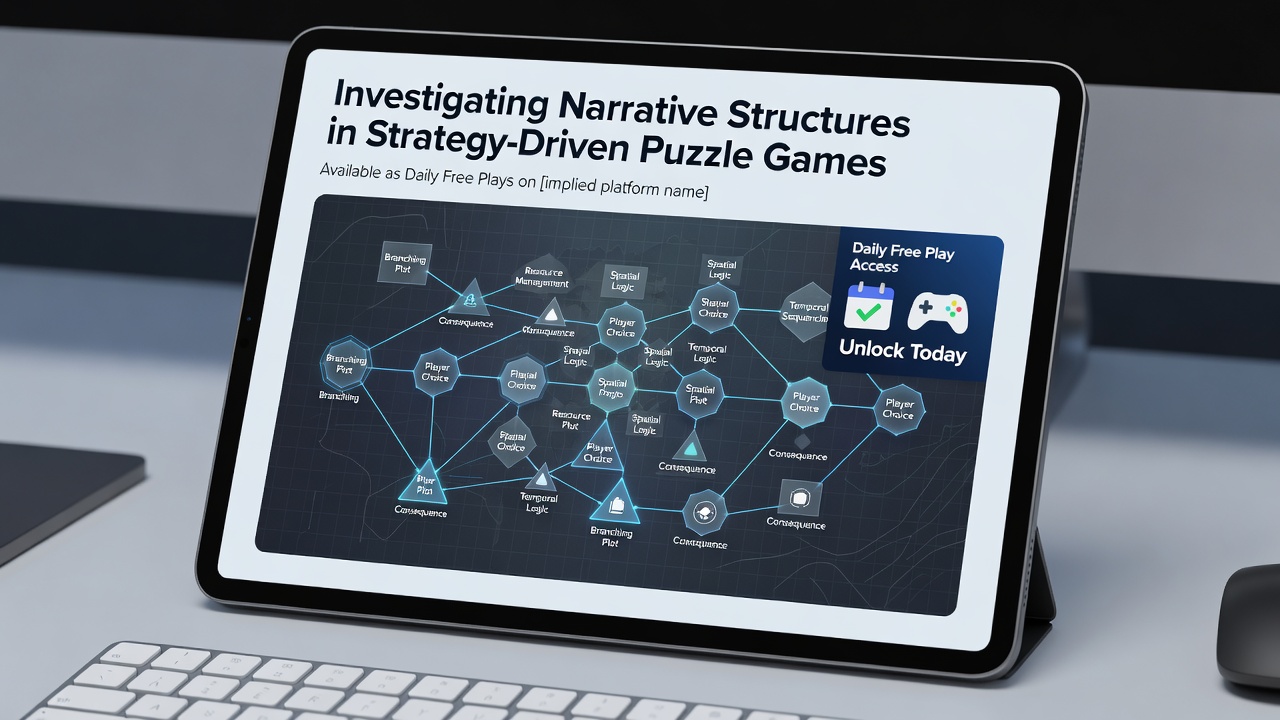
Branching narrative structures appear in games where strategic decisions alter character relationships or unlock alternate puzzle variants. Studies from academic sources reveal that such systems often use simple state tracking rather than complex scripting, allowing mobile devices to handle memory requirements efficiently during short sessions. People who track engagement metrics report that titles employing these methods show higher retention rates when the branches connect directly to puzzle difficulty adjustments, such as introducing new obstacles only after specific story flags are met.
Episodic formats divide longer arcs into daily segments that resolve minor conflicts while advancing overarching plots. This format aligns with mobile usage patterns where users return at consistent times, often morning or evening commutes. Evidence suggests that when narrative threads tie into recurring events like seasonal challenges or limited-time puzzle modes, completion rates increase because the story provides context for why certain strategic priorities shift each day.
Technical and Design Considerations Across Devices
Designers balance narrative depth against performance limits inherent to mobile hardware by using lightweight animation and text-based exposition rather than full cutscenes. Industry organizations such as the International Game Developers Association have noted in recent surveys that developers prioritize cloud-based save systems to maintain story continuity when players switch between devices or experience interruptions. These systems track progress through narrative states alongside puzzle completion data, ensuring daily free plays resume without losing accumulated choices.
Visual novel influences surface in some titles through static character portraits that react to strategic outcomes, providing feedback on decisions while players rearrange tiles or allocate units. Research indicates that combining these portraits with minimal sound cues helps reinforce emotional beats without extending session length. In practice, this means a successful puzzle solution might trigger a short line of dialogue that hints at future plot developments, encouraging the next day's return.
Patterns Observed in August 2026 Releases
August 2026 saw continued refinement of narrative layering in daily mobile puzzles, with several titles introducing collaborative elements where story branches depend on aggregated player choices across global user bases. Observers note that these shared narratives still respect individual progress by applying community results as optional modifiers rather than mandatory shifts. Data shows that such hybrid models maintain accessibility for solo players while adding layers of collective storytelling that unfold through in-game announcements or updated puzzle themes.
Resource management puzzles increasingly serve as metaphors for narrative conflicts, where solving an economic or territorial challenge advances diplomatic storylines. Those studying design trends report that this metaphor approach reduces the need for separate story interfaces, keeping all interaction within the familiar puzzle grid. Mobile platforms facilitate this by pushing daily notifications that reference both new strategic elements and story updates in a single alert.
Conclusion
Investigations into these narrative structures highlight how strategy-driven puzzle games on mobile devices adapt storytelling techniques to fit daily free play constraints. Integration occurs through branching choices, episodic releases, and environmental cues that align with short session durations and hardware limitations. Available data and design documentation demonstrate consistent patterns in how these elements support ongoing engagement without requiring extended play periods, while updates in 2026 continued to refine the balance between puzzle mechanics and plot progression across varied device ecosystems.