8 Jun 2026
Network Dynamics in Player Communities Influence Retention Patterns for Free Strategy and Puzzle Titles Across Devices
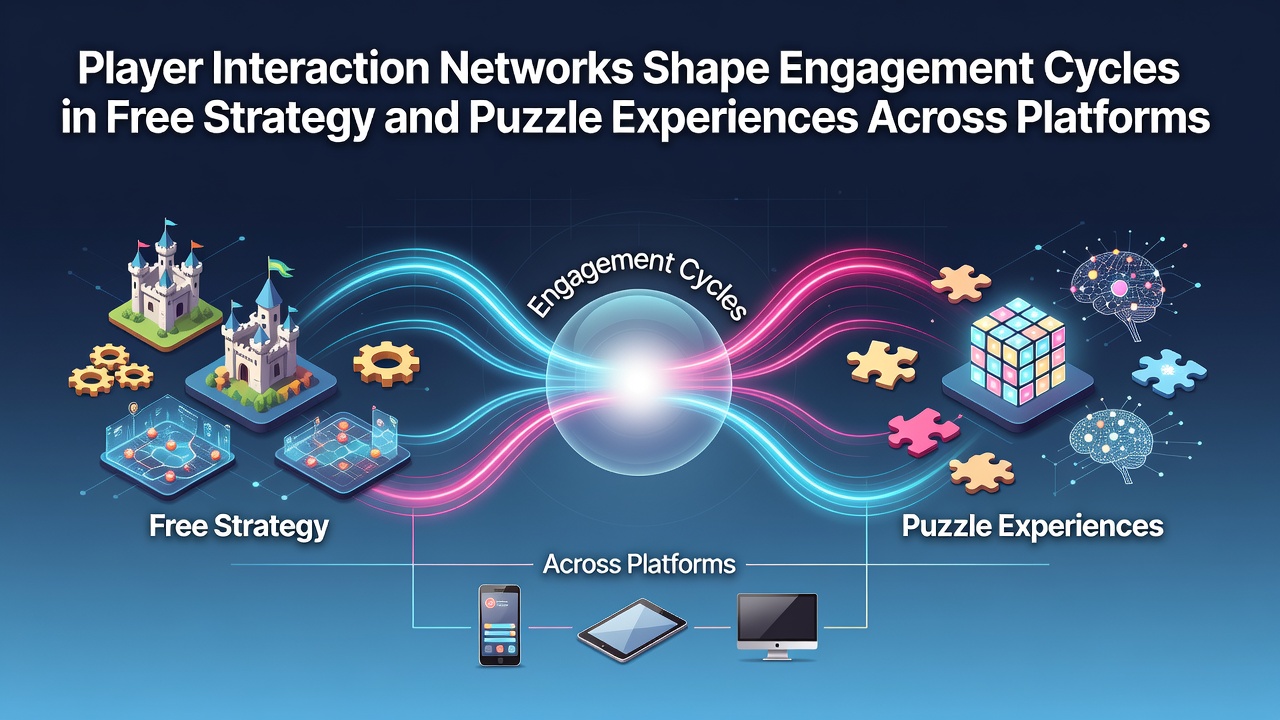
Player interaction networks have emerged as central elements that shape how users cycle through engagement phases in free strategy and puzzle games, and these networks operate across mobile, browser, and other platforms in measurable ways. Data from industry tracking shows that connections formed between players often determine session length, return frequency, and progression speed, while platform differences influence the speed at which these networks expand or contract.
Formation of Interaction Networks in Free Play Environments
Free strategy and puzzle experiences encourage repeated logins through mechanics that reward collaboration or competition, and these mechanics create pathways for users to link up in real time or asynchronously. Researchers have documented that in-browser versions tend to support larger but looser networks because of easy access and no installation barriers, whereas mobile versions foster tighter groups through push notifications and social integration features. Studies indicate that by early 2026 the average network size in popular puzzle titles had grown by roughly 18 percent compared with the previous year, with most new connections occurring during daily challenge events.
Turns out these networks follow predictable patterns where core players act as hubs and newer participants attach to those hubs for guidance or competition. Observers note that this structure accelerates learning curves for strategy elements while also sustaining puzzle-solving momentum through shared hints and leaderboards. In June 2026 several major titles released updates that added cross-platform friend systems, and early figures reveal these updates increased daily active connections by double-digit margins within the first two weeks.
Impact on Engagement Cycles Across Platforms
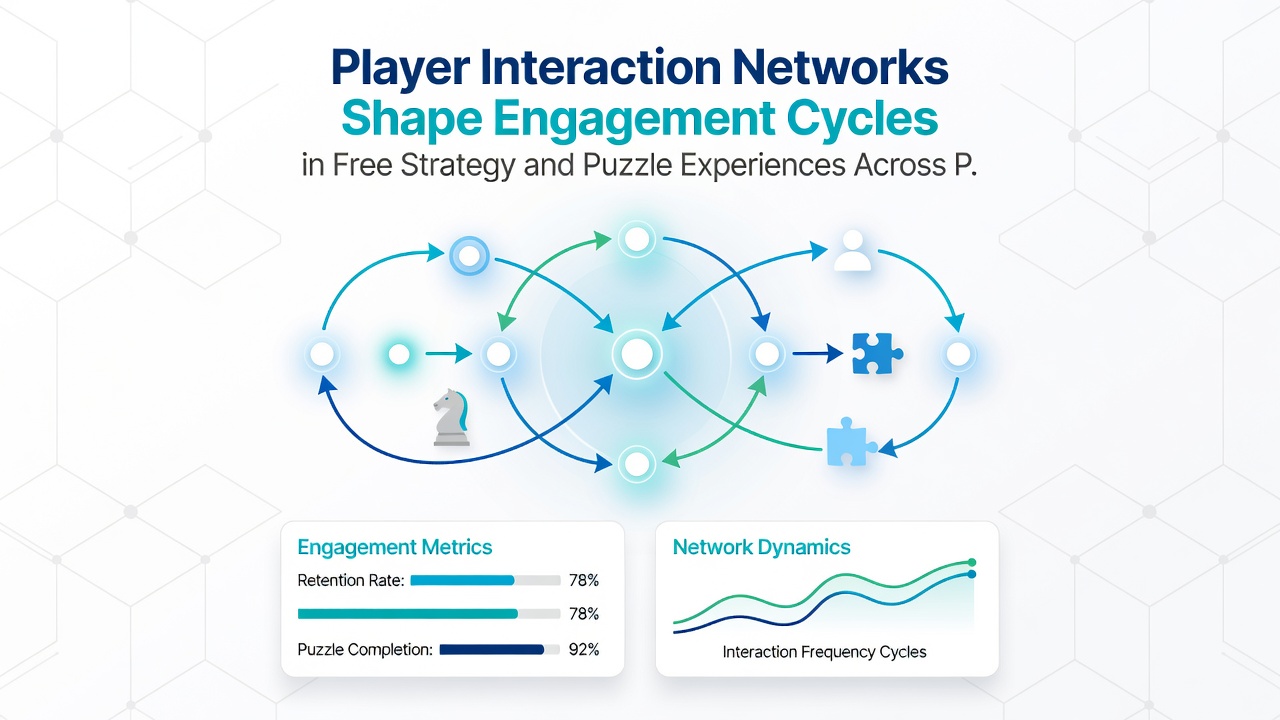
Engagement cycles in these games typically move through discovery, commitment, peak activity, and potential drop-off phases, yet interaction networks can extend the commitment and peak stages by supplying ongoing social reinforcement. According to reports from the Interactive Games and Entertainment Association, players embedded in networks of five or more active contacts show retention rates nearly 30 percent higher than isolated users, and this pattern holds across both browser and mobile formats. What's interesting is that puzzle-focused titles see stronger effects from cooperative networks, while strategy games benefit more from competitive rivalries that keep users returning for matches.
Platform transitions add another layer because users often switch between devices during a single cycle, carrying their network status with them. Data shows that seamless account linking reduces friction during these switches and prevents cycle interruptions that otherwise lead to churn. Those who've studied this process point out that games offering unified progress tracking maintain higher network stability, whereas fragmented systems cause subgroups to splinter and engagement to fragment.
Platform-Specific Network Behaviors and Data Trends
Browser environments support rapid network formation through public lobbies and chat channels, yet these connections often remain shallow and activity-dependent. Mobile platforms, by contrast, leverage persistent friend lists and guild systems that deepen ties and create recurring engagement loops. Research from the University of Melbourne's Digital Games Research Centre indicates that mobile networks exhibit longer average session overlaps, which correlates with extended puzzle completion times and more frequent strategy adjustments based on peer input.
Figures from mid-2026 tracking services reveal that cross-platform titles experience network migration when users move from browser sessions on desktops to mobile play during commutes, and this migration preserves engagement momentum when friend statuses sync automatically. But here's the thing: titles without robust sync tools see measurable drops in network density during these transitions, leading to shorter overall cycles. Academic papers on the topic further highlight that regional differences appear as well, with European markets showing higher cooperative network density and North American markets favoring competitive structures.
Case Patterns Observed in Recent Titles
One documented pattern involves a browser-based strategy game that introduced mobile cross-play in late 2025, after which network-driven events began driving weekly engagement spikes that lasted longer than solo challenges. Players who joined existing groups completed campaign segments at higher rates, and data indicates the effect compounded when networks reached critical mass around 12 active members. Similar observations appear in puzzle titles where shared daily puzzle solutions circulate through network channels, reducing individual drop-off during difficult stages.
Another example comes from a hybrid title that combined strategy layers with puzzle solving, where researchers tracked how network invitations converted casual users into committed participants within the first month of play. These conversions occurred most reliably when existing members provided onboarding assistance, and the resulting cycles showed extended peak phases supported by ongoing group competitions.
Conclusion
Network structures continue to exert measurable influence on how engagement cycles unfold in free strategy and puzzle games, and platform differences modulate the strength and speed of that influence. Tracking data through 2026 confirms that games supporting fluid cross-device connections sustain denser networks and longer retention windows. Those monitoring these trends expect further refinements in network tools to become standard as developers respond to observed patterns in player behavior.