22 May 2026
Pixel Pathways: How Adventure Game Design Principles Influence Daily Free Strategy Sessions on Portable Devices
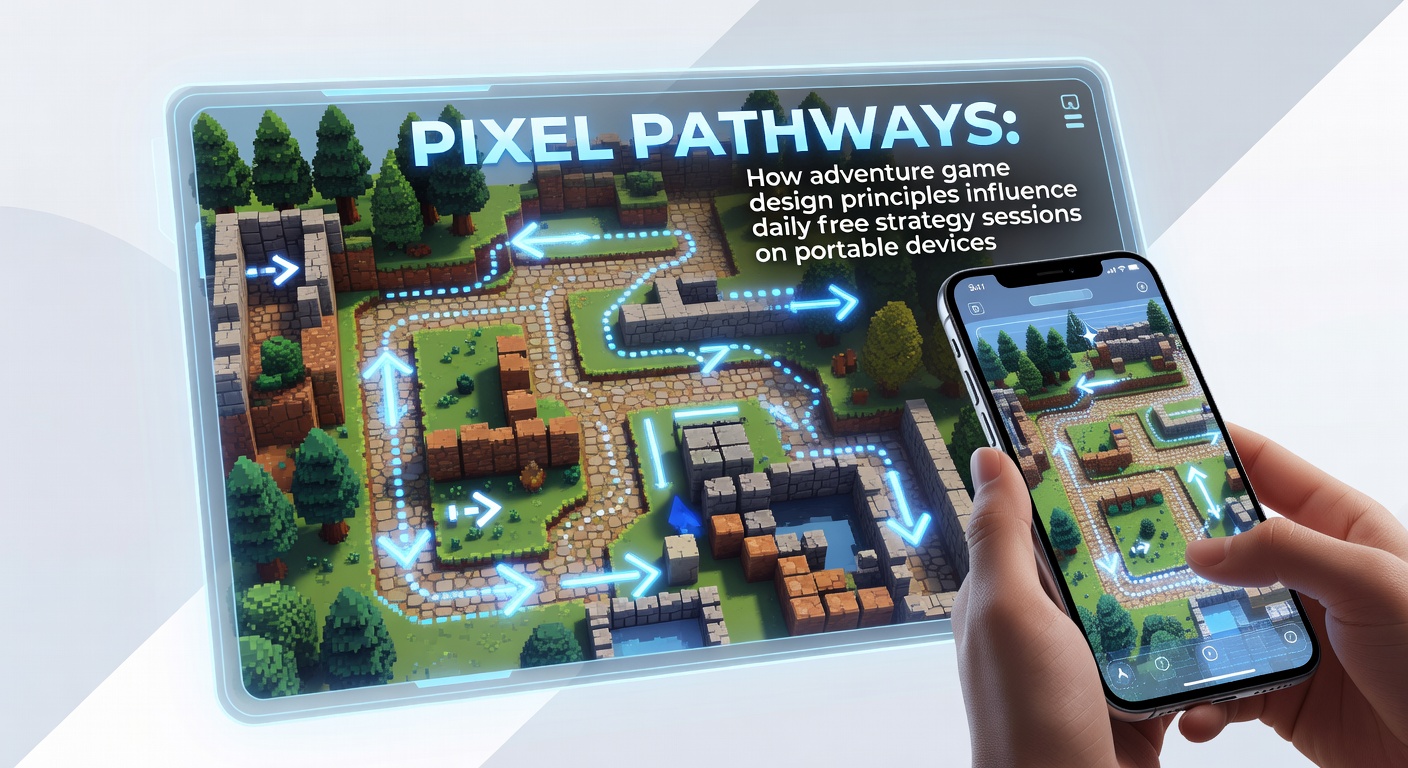
Adventure game design principles such as layered exploration, choice-driven progression, and environmental storytelling have found their way into free strategy sessions played on portable devices, where players engage in short daily matches that blend tactical decisions with narrative threads. These influences appear in mechanics that reward careful mapping of resources, discovery of hidden objectives, and adaptation to branching outcomes, all while fitting within the constraints of touch interfaces and intermittent play sessions common on smartphones and tablets.
Core Adventure Elements in Modern Strategy Formats
Designers incorporate exploration loops from classic adventure titles into strategy frameworks by allowing players to uncover map sections gradually, revealing new tactical options as they progress through daily challenges. This approach mirrors older point-and-click structures yet adapts them for quick sessions, where a single commute or break might advance a campaign through incremental revelations rather than extended campaigns. Puzzle integration follows a similar pattern, with strategy games embedding logic-based obstacles that must be solved before units can advance, thereby extending the decision-making process beyond simple unit deployment.
Branching narratives add depth to otherwise repetitive strategy loops, giving players meaningful choices that alter resource availability or opponent behaviors in subsequent sessions. Data from industry reports shows increased retention when these narrative layers appear in free-to-play titles, as users return to see how prior decisions reshape the battlefield. Portable hardware supports this through cloud saves that maintain continuity across devices, letting a choice made on a phone influence an evening tablet session without interruption.
Portable Constraints Shaping Design Adaptation
Screen size and input methods on portable devices push developers to refine adventure-inspired elements into compact interfaces, replacing verbose dialogue trees with icon-based decision prompts and swipe gestures for path selection. Strategy sessions therefore emphasize visual cues that convey story context efficiently, such as environmental changes signaling shifting alliances or resource nodes that double as plot markers. Observers note that successful titles balance these elements so sessions last between five and fifteen minutes, preserving the exploratory satisfaction without demanding prolonged focus.

Daily reward structures further align with adventure pacing by offering incremental story reveals tied to consistent play, encouraging users to log in regularly while avoiding the fatigue associated with endless grinding. Research from the Entertainment Software Association indicates that hybrid formats combining these principles saw a measurable uptick in engagement metrics through early 2026, particularly among users aged 18 to 34 who favor portable play during fragmented daily schedules. European data compiled by Interactive Software Federation of Europe similarly highlights growth in cross-platform strategy titles that borrow environmental storytelling techniques to differentiate themselves within crowded free-to-play marketplaces.
Case Examples of Influence Across Titles
One widely observed pattern involves strategy games that embed discovery journals or codex entries unlocked through successful tactical maneuvers, echoing adventure game bestiaries and lore collections. Players who complete daily objectives receive fragments of larger narratives, which in turn modify available strategies in future matches by introducing new unit types or terrain effects tied to story events. This creates a feedback loop where adventure pacing sustains strategic interest over weeks rather than single sittings.
Another adaptation appears in games that use limited visibility mechanics reminiscent of fog-of-war systems in adventure titles, forcing players to commit resources to reconnaissance before launching attacks. Portable implementations often tie these reconnaissance phases to short timers that reset daily, aligning with user habits of brief check-ins rather than marathon sessions. Analysts tracking May 2026 release schedules report multiple upcoming titles explicitly citing adventure design documents as primary references for their progression systems.
Conclusion
The integration of adventure game principles into portable strategy formats continues to evolve through iterative updates that refine exploration, choice, and narrative delivery for constrained hardware. As developers refine these pathways, daily free sessions gain layers of engagement that extend beyond core tactical loops, supported by data showing sustained player interest across regions. This cross-pollination remains evident in ongoing title updates and new releases scheduled throughout 2026.