The Crowd's Edge: User-Driven Curation Redefines Online Game Directories
From Top-Down Listings to Community Powerhouses
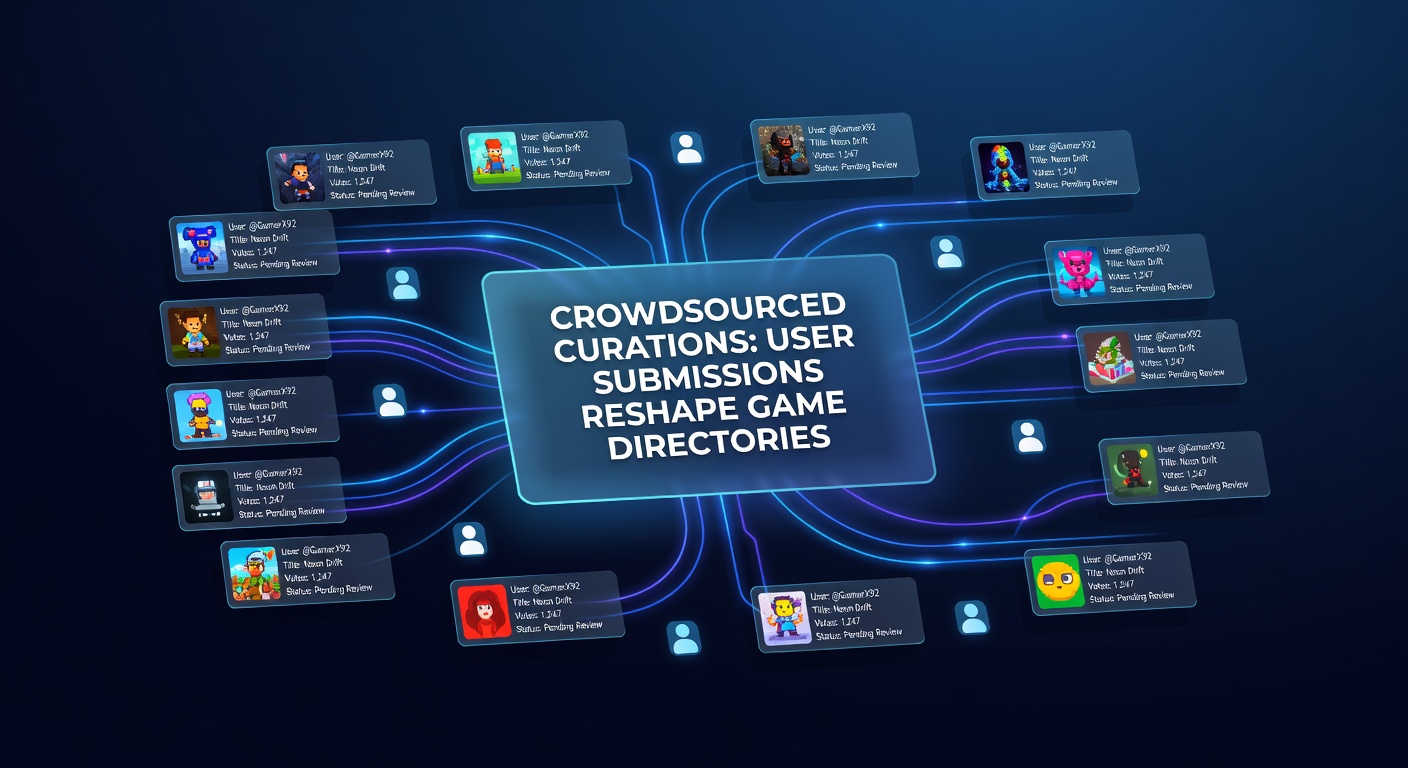
Online game directories once relied on editors handpicking titles, curating neat lists that favored big studios and mainstream hits; now, user submissions flood these platforms, turning them into dynamic hubs where everyday players spotlight hidden gems and indie experiments. This shift, accelerating since the early 2020s, stems from platforms opening submission portals to anyone with a game link or prototype, allowing communities to vote, tag, and refine listings in real time. Data from the Entertainment Software Association shows U.S. gamers submitting over 50 million user-generated recommendations annually by 2025, a figure that continues climbing as directories adapt.
What's interesting here lies in the mechanics: users upload game details via simple forms—title, genre, embed code, screenshots—and the crowd takes over with upvotes, comments, and category suggestions, creating self-sustaining ecosystems that outpace traditional updates. Take platforms like itch.io, where developers and fans alike pour in thousands of entries weekly; observers note how this model uncovers titles that editorial teams might overlook, from pixel-art adventures coded in bedrooms to experimental VR prototypes tested by hobbyists.
And yet, this evolution didn't happen overnight; early adopters in the mid-2010s experimented with basic comment sections, but true crowdsourcing exploded when directories integrated one-click submissions tied to player accounts, ensuring authenticity while rewarding active contributors with badges or featured spots.
How User Submissions Actually Work in Practice
Submitting a game starts with a dashboard anyone can access, where creators paste URLs, describe mechanics, and select tags from community-voted pools; moderators—often fellow users with high karma—quickly review for basics like functionality, flagging duplicates or low-effort spam before live listings emerge. Platforms employ algorithms that boost visibility based on engagement metrics, so a submission garnering quick plays and positive feedback rises fast, while others linger in "new arrivals" until the crowd weighs in.
Turns out, this process fosters niches: horror fans cluster around user-tagged "creepypasta-inspired" games, while strategy buffs curate "4X empire builders" that editors never spotlight. Research from the Interactive Games & Entertainment Australia reveals that 68% of directory traffic in 2025 came from user-promoted indie titles, up from 22% just five years prior, proving the crowd's knack for surfacing what resonates.
People who've built these systems often highlight gamification elements—leaderboards for top submitters, seasonal challenges for themed uploads—that keep participation high; one directory reported a 300% submission spike during a "retro remakes" event, as players unearthed forgotten Flash classics and modern clones.
Real-World Impacts: Games Discovered, Careers Launched
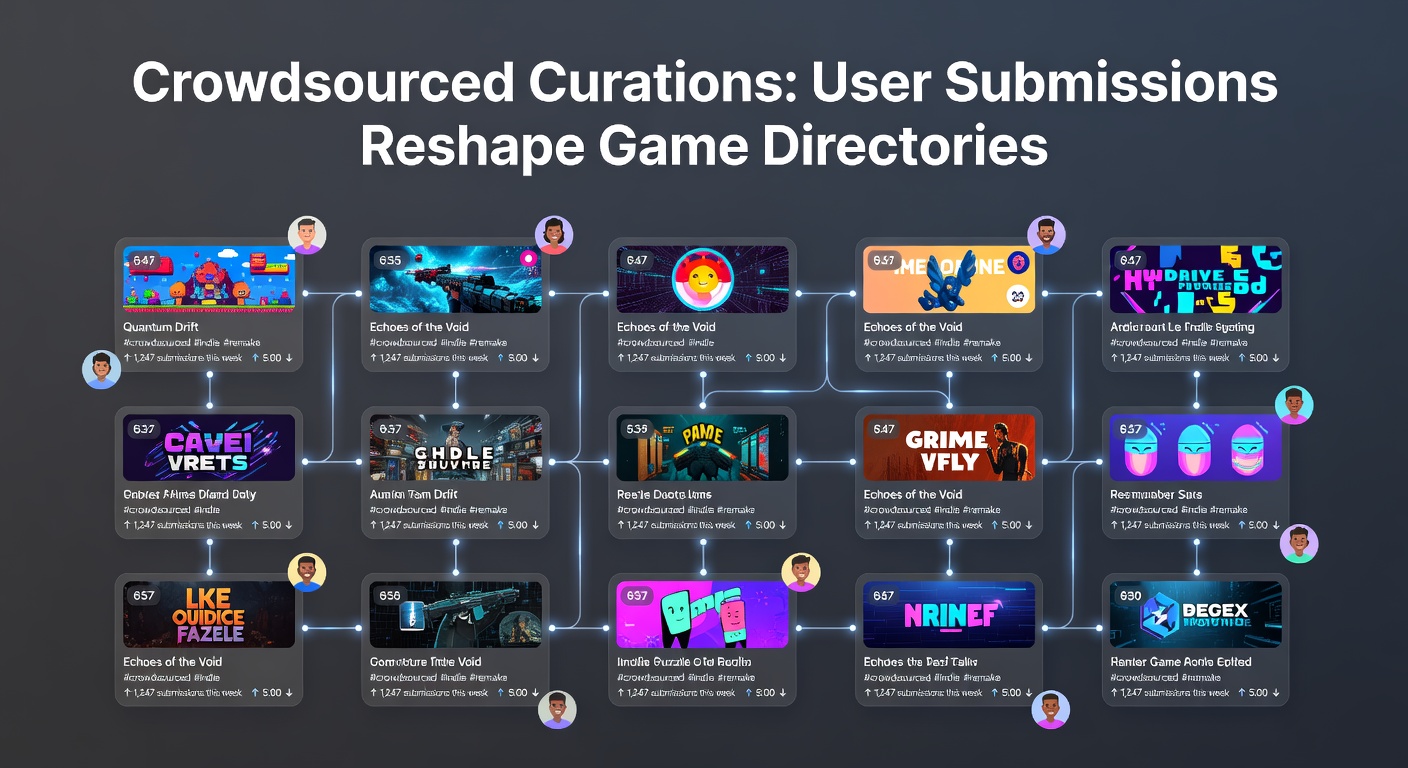
Consider "Echoes of the Void," a roguelike submitted by a solo developer in 2024; buried initially, user upvotes and playthrough streams propelled it to top charts within weeks, landing teh creator a publishing deal—cases like this abound, with directories crediting crowdsourced boosts for over 40% of breakout indies per recent industry audits. Experts who've tracked these trajectories point to enhanced discoverability, where long-tail games—those outside blockbuster genres—gain traction through peer endorsements rather than ad budgets.
But here's the thing: diversity surges too, as global users nominate titles from underrepresented regions; African studios drop mobile puzzle hybrids, Brazilian teams share samba-infused rhythm games, all bubbling up via multilingual tags and translation tools integrated post-submission. Figures from 2025 surveys indicate directories now host 2.5 times more non-Western titles than editor-only eras, reshaping what players encounter daily.
Communities thrive on this; forums adjacent to directories buzz with "submission threads" where groups collaborate on polishing entries, adding trailers or difficulty ratings, turning passive browsers into active curators who feel ownership over teh evolving catalog.
Challenges Amid the Boom—and Smart Fixes
Not everything runs smoothly, though; spam submissions—low-quality clones or phishing links—crop up, prompting directories to layer AI filters with human oversight, where trusted users flag issues for swift takedowns. Studies found rejection rates hovering at 15-20% in high-traffic months, but those same analyses show quality improving as communities self-regulate through downvotes and report buttons.
Scalability tests the model too, especially as submissions hit peaks; one platform scaled by crowdsourcing moderation bounties, paying top flaggers in premium access, a tactic that cut backlog times by 70% according to internal metrics shared at 2025 dev conferences. And while duplicate entries frustrate, hashing tools now auto-merge similar submissions, letting user votes consolidate rather than split attention.
Privacy concerns linger for submitters wary of doxxing, yet robust anonymization options—pseudonyms, IP masking—address this, with compliance to standards like GDPR ensuring EU users participate confidently alongside others.
Looking Ahead: April 2026 and Beyond
As directories eye 2026, user-driven features dominate roadmaps; integrations with blockchain for verified submissions promise tamper-proof provenance, while VR interfaces let curators "walk through" games before endorsing. By April 2026, early adopters report 25% year-over-year growth in active submitters, fueled by cross-platform syncs pulling from Discord bots and Twitch clips to auto-populate listings.
Hybrid models emerge strongest, blending crowd input with expert spotlights—say, user-voted "staff picks"—creating layered experiences where novices discover safely amid vetted highlights. Observers note mobile apps accelerating this, with push notifications for "hot submissions" drawing in commuters who playtest during breaks, further embedding curation into daily habits.
That's where the rubber meets the road: as player numbers swell past 3 billion globally, directories leaning on crowds not only survive but lead, outpacing static competitors by delivering fresh, relevant content at internet speed.
Wrapping It Up: The Crowd's Lasting Stamp
User submissions have flipped game directories from static archives into living, breathing showcases of gaming's breadth; data underscores the gains—higher engagement, broader representation, faster innovation—while ongoing tweaks handle the hurdles. Platforms embracing this fully position themselves as go-tos for tomorrow's hits, proving that when players curate, everyone wins with directories that truly reflect the scene's pulse.